
How to Choose a Drill for Home and Workshop Projects
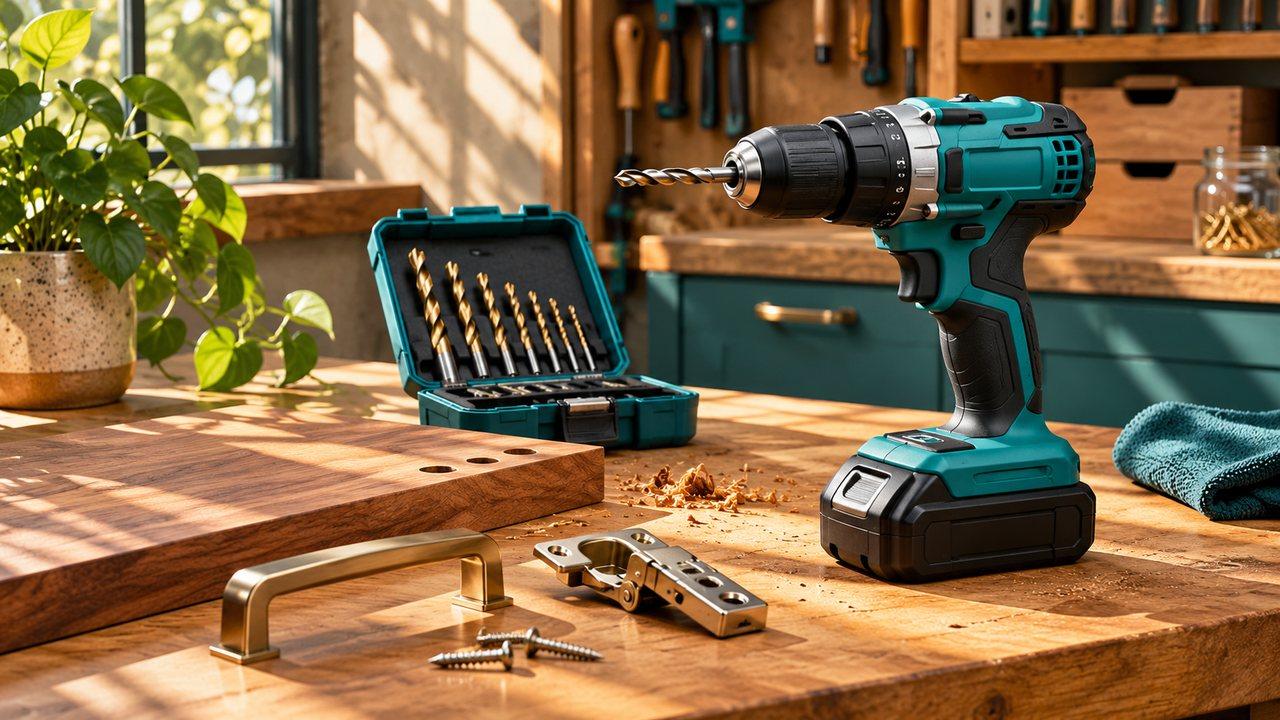
Start with the material, the hole size, and the fastener. Compare the drill type, chuck, and power package before choosing a model.
Start with the work
For cabinet hardware, furniture assembly, and pilot holes in wood, a compact drill-driver is usually a practical first tool. Its adjustable clutch helps control screw depth, and its keyless chuck takes round-shank bits. An impact driver is useful for long screws when you have compatible impact-rated hex bits. A hammer drill adds a percussion mode for suitable masonry bits; a larger rotary hammer uses a different bit system such as SDS-Plus.
Compare the controls
A lower speed range gives control when starting a hole or driving a fastener. A higher range can suit small drill bits in wood. Compare the stated torque and chuck size, then check whether the tool fits the clearance around the work. A short head is useful when you need to reach into a cabinet.
Check the power package
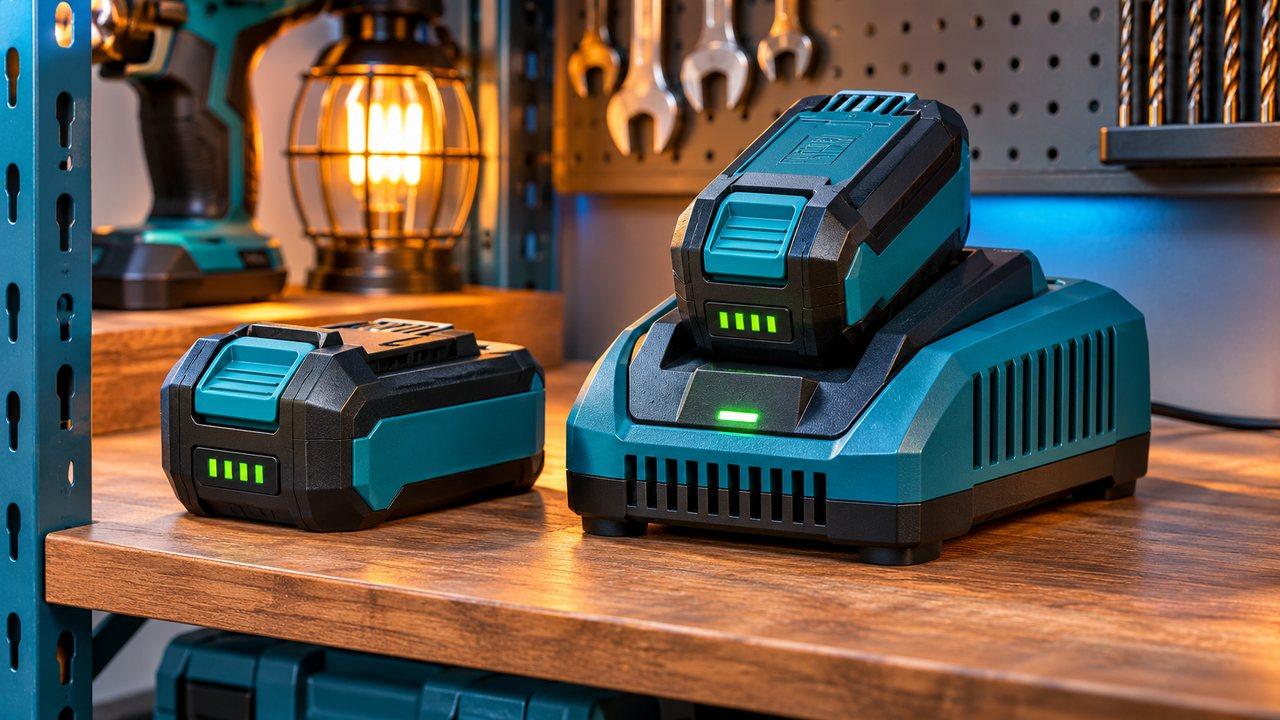
A corded drill is useful at a bench with an outlet. A cordless kit can be a better match if you work across rooms. Check the model’s Battery Included and Charger Included fields. Buy into a named battery platform only after matching the charger and pack connector.
Pick the bits with the drill
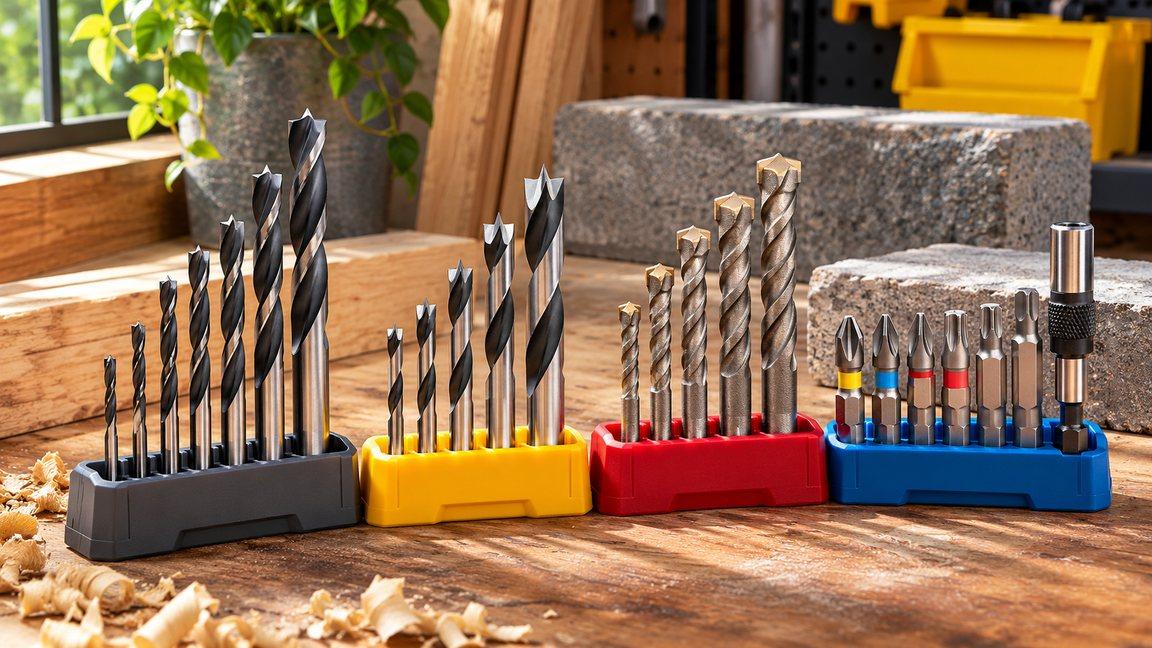
Choose a bit for the material and check that its shank fits the selected chuck. Start with a pilot hole when the fastening instructions call for one, secure loose workpieces, and consult the tool and accessory manuals for approved settings.
Explore related categories
Make Your Business Online By The Best No—Code & No—Plugin Solution In The Market.
30 Day Money-Back Guarantee
Say goodbye to your low online sales rate!